Cyclops Landscape Research Programme
Research, conservation and Indigenous stewardship from reef to ridge to lake.
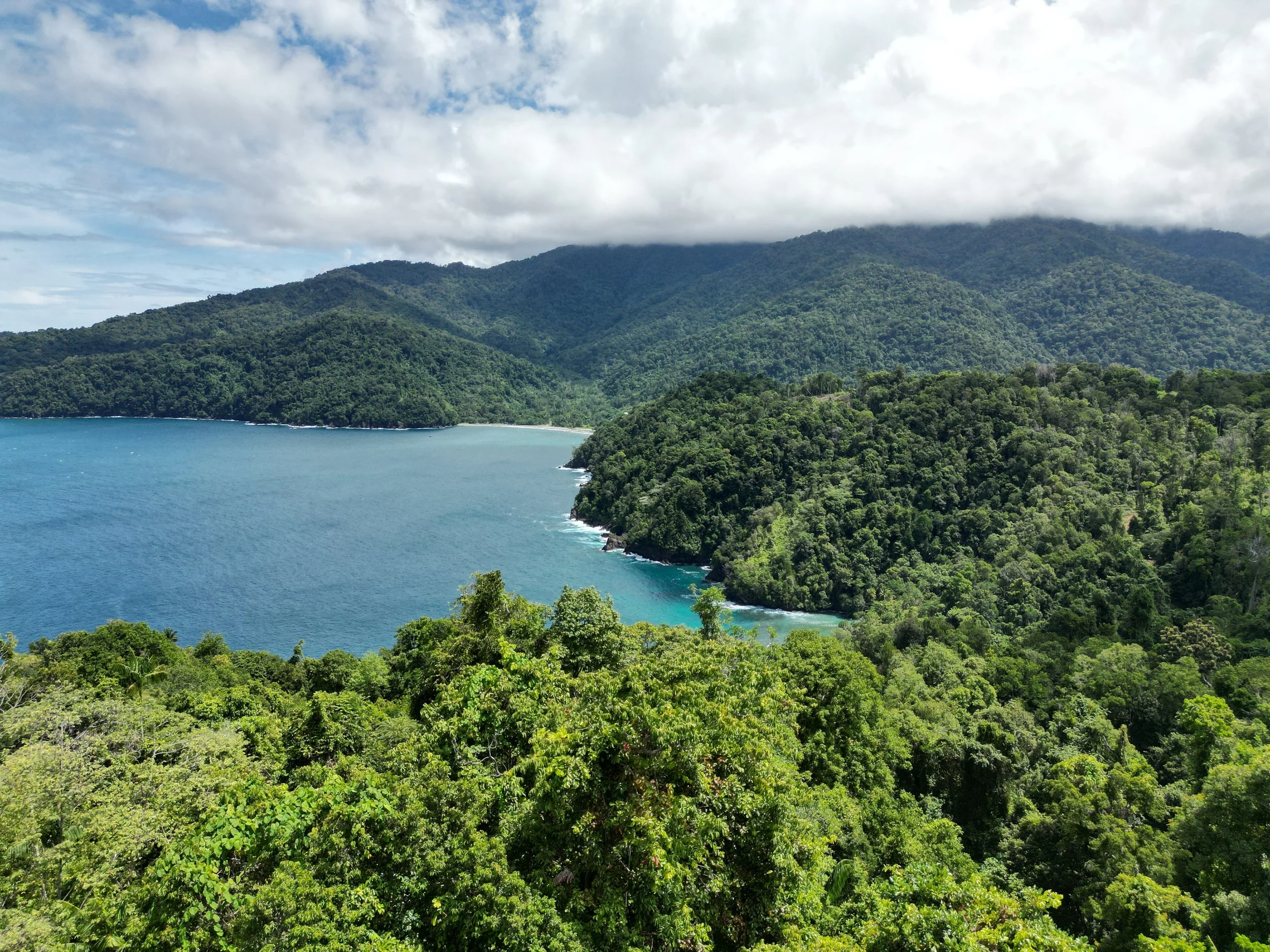
The Cyclops landscape is one of Papua’s most remarkable environments for biodiversity research. Rising from the Pacific coast to nearly 2,000 metres before descending toward Lake Sentani, the landscape brings together coral reefs, mangroves, lowland rainforest, montane forest and freshwater ecosystems within an exceptionally compact area.
YAPPENDA Research Centre and its partners are developing a long-term research programme across this landscape to document biodiversity, understand ecological change, support conservation and strengthen Papuan research capacity.
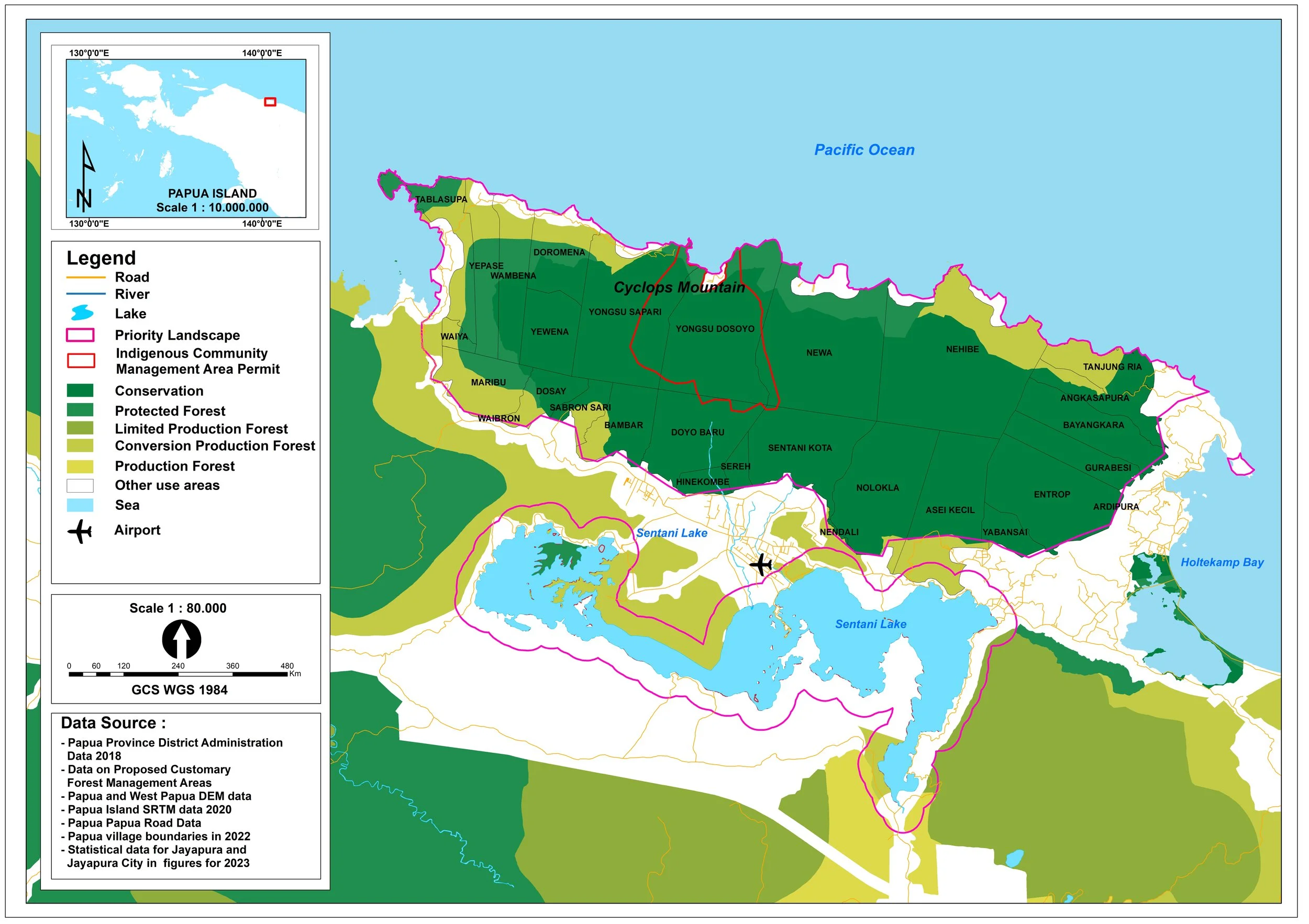
The landscape encompasses the Cyclops Mountains, Tanahmerah Bay, Youtefa Bay and Lake Sentani, covering approximately 5,400 km².
The Landscape at a Glance
Landscape & seascape: ~5,400 km²
Research elevation gradient: 0–1,970 m
3 Key Biodiversity Areas
38,000+ Camera-trap images
From coastal and freshwater systems to montane rainforest, the Cyclops landscape provides exceptional opportunities to study biodiversity across gradients of elevation, geology, habitat and human disturbance.
Exceptional biodiversity across an extraordinary landscape
The Cyclops Mountains sit between the Pacific Ocean and Lake Sentani, creating a dramatic reef-to-ridge-to-lake transition over a distance of only around 15 kilometres.
The wider landscape includes lowland and montane rainforest, freshwater ecosystems, mangroves, seagrass beds and coral reefs. It contains two protected areas and three Key Biodiversity Areas and supports species found nowhere else on Earth.
The landscape is scientifically valuable not only because of its biodiversity, but because of the environmental gradients contained within it. Researchers can investigate ecological change across nearly 2,000 metres of elevation, varying geological substrates and landscapes ranging from heavily disturbed areas to largely intact primary rainforest.
Historical expeditions have created an unusually strong biodiversity baseline relative to much of Indonesian Papua, but significant gaps remain—particularly on the northern slopes and the eastern and western peaks of the range. Long-term, spatially explicit biodiversity datasets are only beginning to emerge.
Historical expeditions have created an unusually strong biodiversity baseline relative to much of Indonesian Papua, but significant gaps remain—particularly on the northern slopes and the eastern and western peaks of the range. Long-term, spatially explicit biodiversity datasets are only beginning to emerge.
Mayr’s Forest Rail
Back in the scientific record
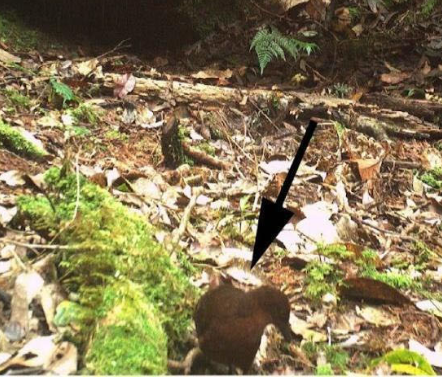
More than 38,000 camera-trap images collected during Expedition Cyclops contained just six photographs of the elusive Mayr’s Forest Rail.
The images provided the first scientific documentation of the species in the Cyclops Mountains since Ernst Mayr first described it there in 1928.
Attenborough’s Long-beaked Echidna
Rediscovered after 62 years
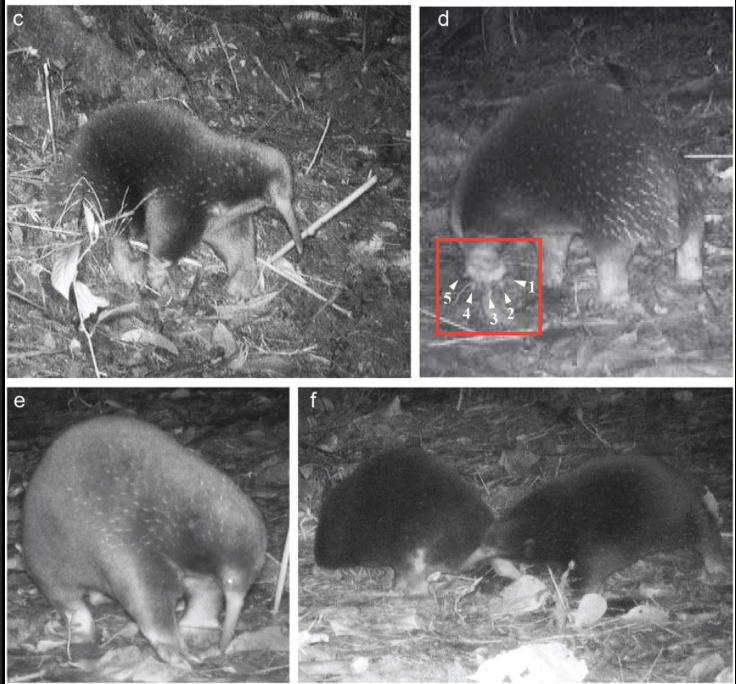
Indigenous knowledge and camera trapping helped confirm that Attenborough’s Long-beaked Echidna (Zaglossus attenboroughi) still survives in the Cyclops Mountains after more than six decades without scientific documentation.
The rediscovery has since developed into a wider research programme investigating the species’ distribution and conservation across the mountain range.
Mayr’s Honeyeater
First record in 16 years
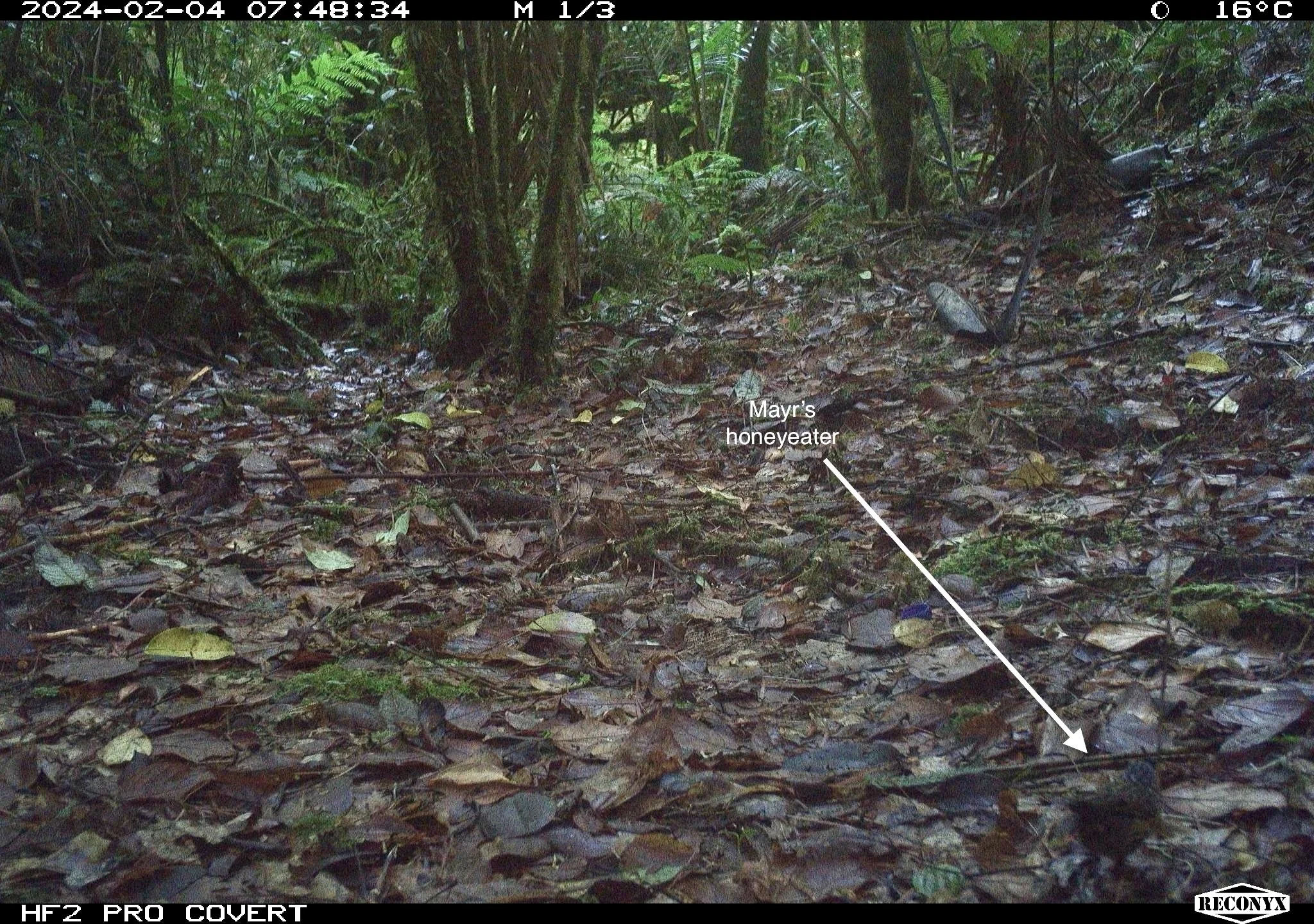
Near the peaks of the Cyclops Mountains, Expedition Cyclops encountered a pair of Mayr’s Honeyeaters and captured the first-ever video footage of the species.
It was the first documented observation in 16 years and confirmed the continued presence of this rarely observed bird in the mountains.
A Frog New to Science
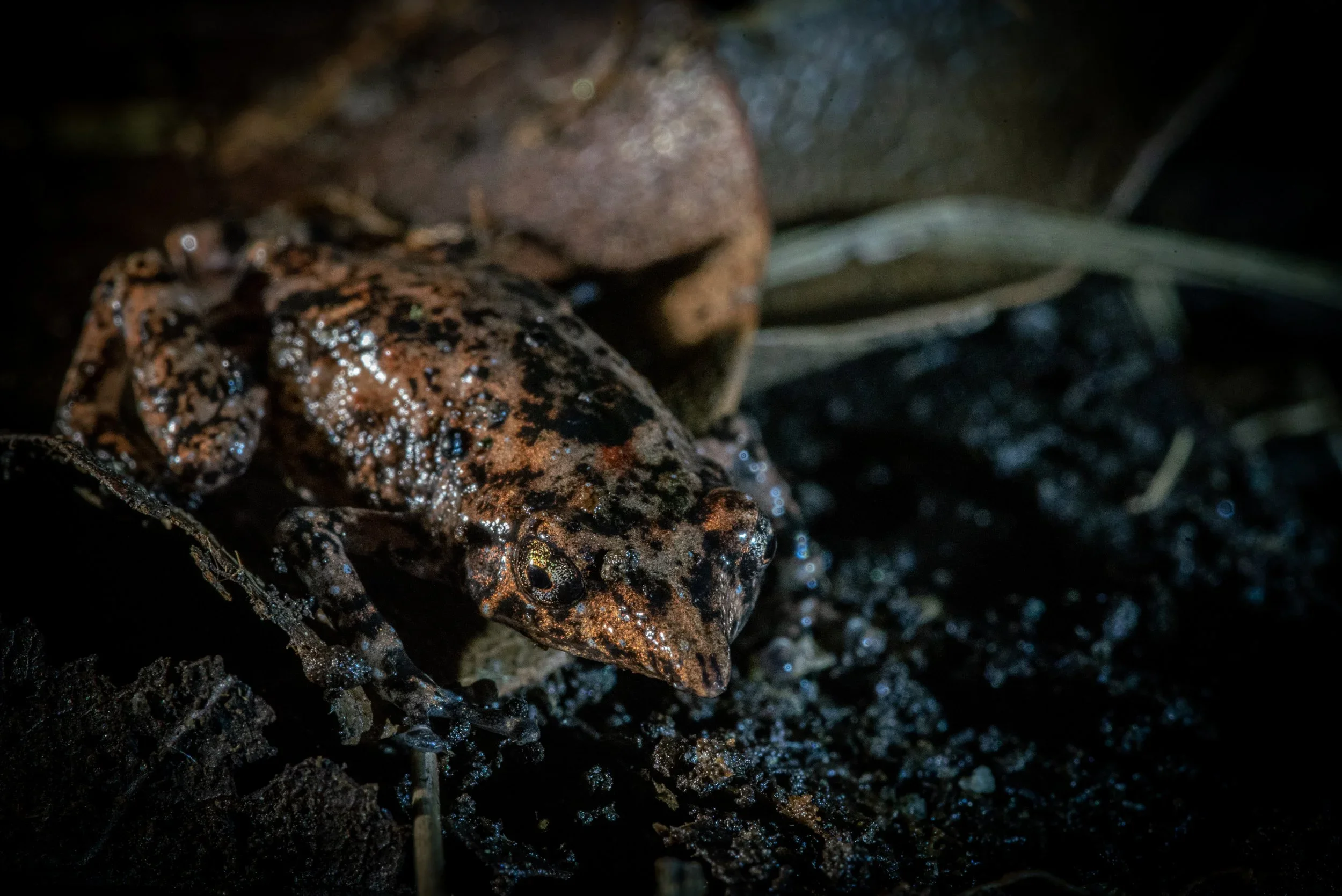
An undescribed Choerophryne
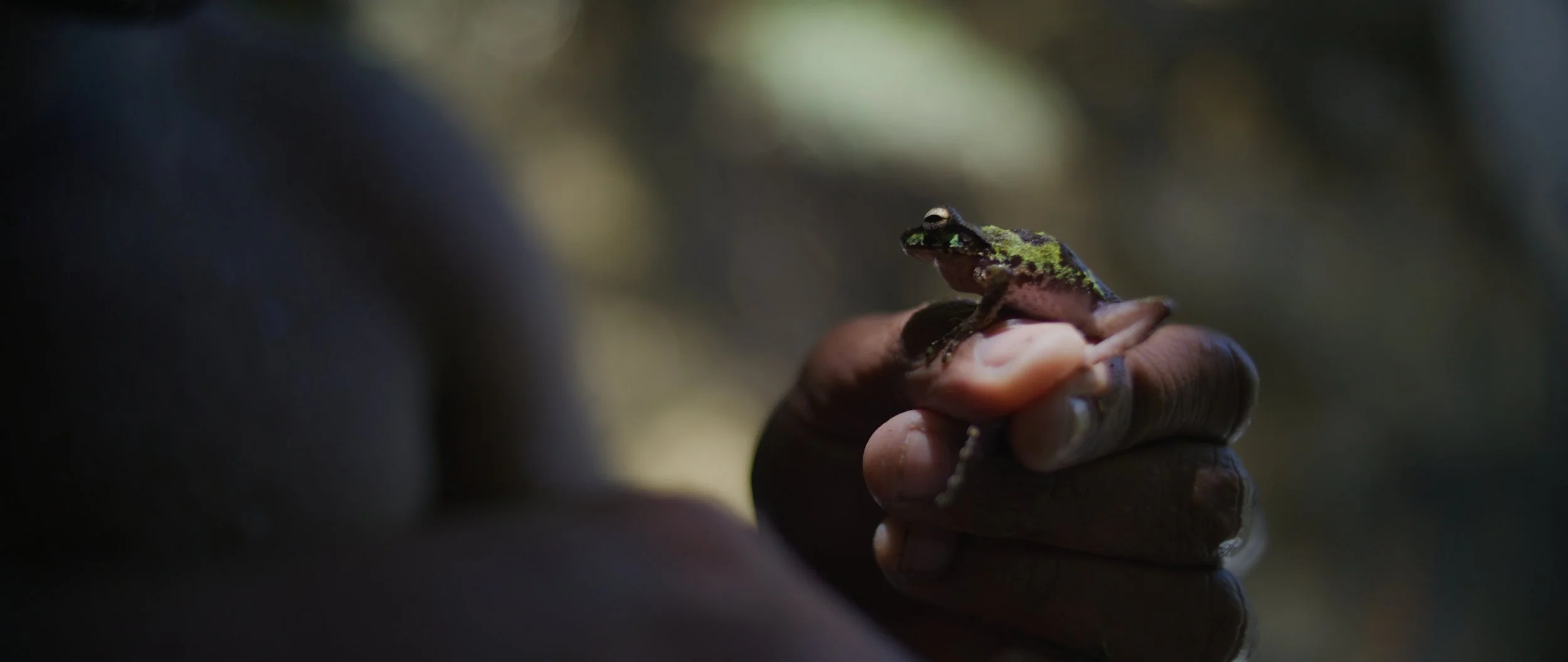
Expedition researchers discovered an undescribed frog belonging to the genus Choerophryne. The tiny frog produces a distinctive high-pitched call and has yet to be formally described scientifically.
Documenting amphibian diversity provides an important baseline for understanding and protecting the Cyclops ecosystem.
A Terrestrial Amphipod
An unexpected mountain discovery
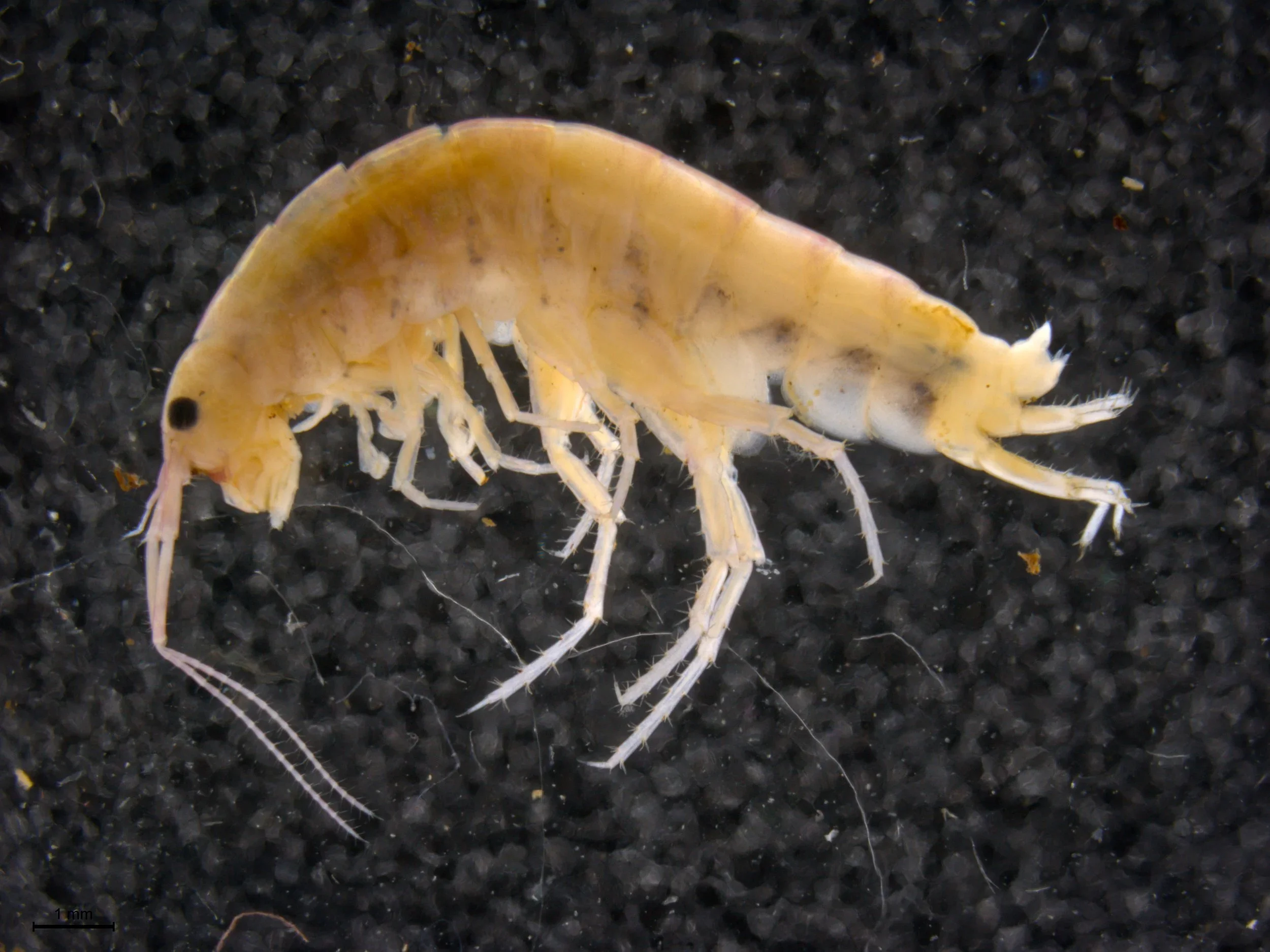
Researchers discovered a previously unknown terrestrial amphipod living in soil and vegetation high on the slopes of the Cyclops Mountains.
Its relatives are normally associated with coastal environments, making its presence hundreds of metres above sea level an unexpected discovery with intriguing evolutionary implications.
An Overlooked World of Arthropods
New species still being described
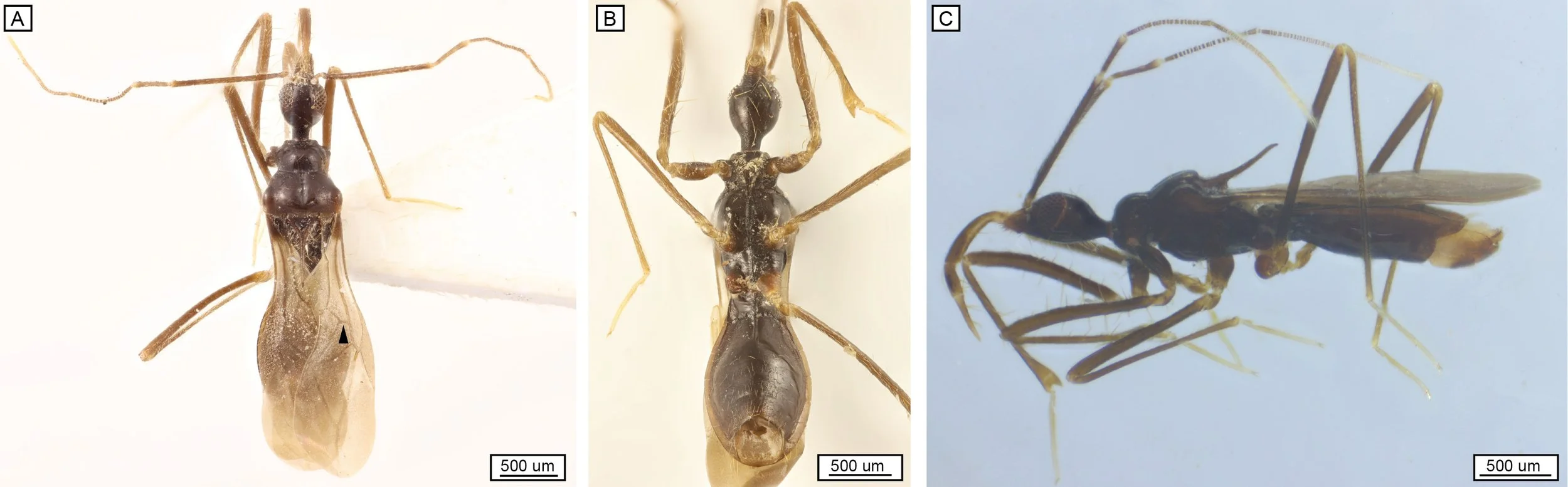
Leaf-litter surveys have revealed an extraordinary diversity of arthropods, including species of beetles and true bugs new to science and a potentially new amphipod genus.
Material collected from the Cyclops continues to be studied, providing new insight into the origins and diversity of one of the rainforest’s least understood communities.